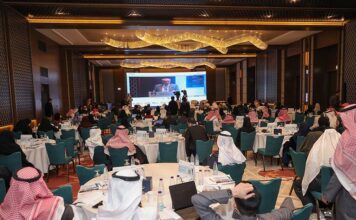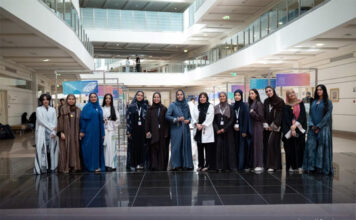

Year Three medical students enrolled in COM366 have completed a series of POEM (Patient-Oriented Evidence that Matters) sessions as part of the COM366 SDGs Book Project, an innovative academic initiative that integrates the United Nations Sustainable Development Goals (SDGs) into teaching, research, and scholarly writing. The POEM track is the first formally structured curriculum of its kind to be implemented in undergraduate medical education in Saudi Arabia and the wider Middle East.
The project engaged students across all 17 SDGs and challenged them to contribute to the development of a sustainability-focused textbook, Health for All: Saudi Arabia’s Role in Achieving the Sustainable Development Goals. Building on work initiated in their first-year COM116 course, students expanded their understanding of global challenges through research, critical analysis, and the development of evidence-based recommendations.
Each SDG group was divided into two tracks:
- The Chapter Writing Track: Developed formal textbook-style chapters examining global and local SDG relevance, implementation challenges, and Vision 2030 priorities.
- The POEM Track: Conducted structured thematic evidence syntheses and appraised high-quality research to translate findings into practical teaching resources.
During the guided POEM sessions, students debated interventions, policies, and strategies linking sustainability to equity and population wellbeing. The process allowed students to engage with real-world health challenges while contributing directly to a peer-reviewed academic resource.
By combining sustainability education, evidence-based practice, and collaborative learning, the COM366 SDGs Book Project provided students with a unique opportunity to engage with real-world challenges while contributing to a meaningful academic resource. The initiative demonstrates how the Sustainable Development Goals can be effectively embedded within medical education to cultivate research skills, innovation, and informed action for a more sustainable future.
The initiative was led by Dr. Baraa Alghalyini. Dr. Abdul Rehman Zia Zaidi designed and directed the POEM track, moderated the sessions, and provided extensive mentorship throughout the project. Through multiple rounds of review and feedback, students strengthened their skills in academic writing, evidence appraisal, and knowledge translation. Dr. Racha Khaled and Dr. Raaina Mahevish provided logistical support.